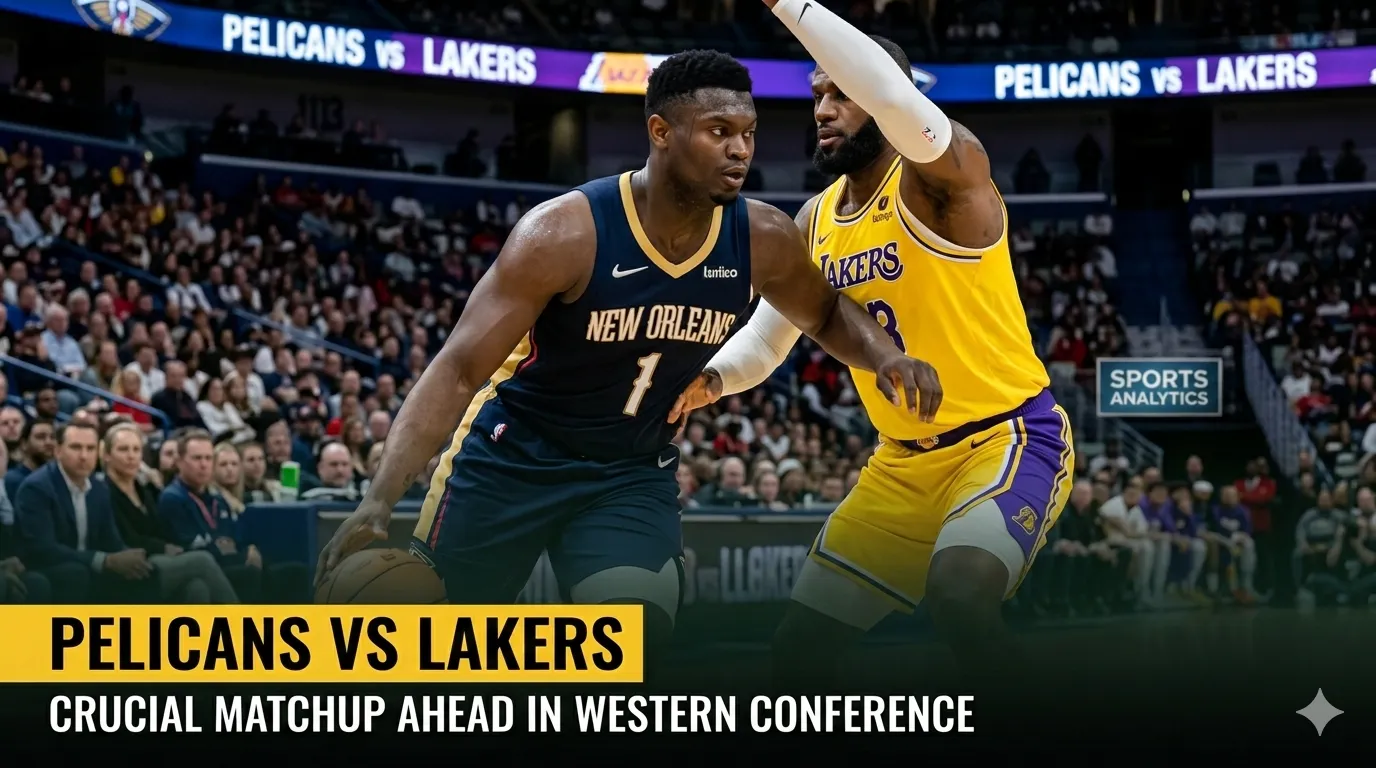
NBA schedule 2026 full season dates represent the exciting blueprint for basketball fans worldwide to plan their viewing experiences throughout the year. As the professional basketball calendar unfolds with preseason games, regular season matchups, and playoff competitions, understanding the complete timeline becomes essential for dedicated fans, casual viewers, and sports enthusiasts alike. The 2026 NBA season brings new opportunities to follow your favorite teams, discover emerging talent, and experience the culmination of professional basketball excellence. With games spread across nearly a year-long calendar, knowing the NBA schedule 2026 full season dates helps you organize your entertainment, make travel plans for games, and ensure you never miss critical matchups or championship moments.
This comprehensive guide walks you through every important date and timeframe of the 2026 NBA season, from the opening of training camps through the thrilling NBA Finals. Whether you’re planning to attend games in person, schedule viewing time, or understand how the season is structured, this article provides all the information you need about the NBA schedule 2026 full season dates and how to make the most of them.
How to Navigate and Utilize the NBA Schedule 2026 Full Season Dates
Step 1: Understanding the Season Phases
The 2026 NBA season divides into distinct phases, each with its own timeline and significance:
Preseason Phase (September-October) – Teams begin training camps with player reporting and introductory workouts – Exhibitions games commence approximately two weeks before regular season – Teams finalize rosters and determine opening night lineups – Dates typically run September 20 – October 15, 2025
Regular Season Phase (October-April) – Each team plays 82 games over approximately eight months – Schedule typically begins mid-to-late October – Games continue nightly from October through mid-April – All 30 NBA teams compete for playoff positioning – Back-to-back games are strategically distributed throughout schedule
All-Star Weekend (February) – Mid-season break for league’s biggest stars – All-Star Game, skills competitions, and three-point contest – Teams gain temporary rest before second half of season
Playoff Phase (April-June) – Top 16 teams compete in knockout tournament – First round typically runs two weeks – Conference Semifinals follow immediately – Conference Finals conclude in late May – NBA Finals run approximately two weeks in June
Step 2: Marking Critical Dates on Your Calendar
Create a personalized calendar including these essential dates:
- Opening Day: Mark when regular season begins (typically mid-October)
- Your Team’s Key Matchups: Highlight rivalry games and matchups against strong competitors
- All-Star Weekend: Note the mid-February break for planning purposes
- Trade Deadline: NBA trade deadline in February impacts roster composition
- Playoff Race Stretch Run: Note final regular season games when playoff positions finalize
- Playoff Start Date: Mark when your team begins playoff competition
- Conference Finals Dates: Highlight when only four teams remain
- NBA Finals Schedule: Note championship series dates for your calendar
Step 3: Planning Viewing Around Your Schedule
Organize your personal schedule to accommodate basketball viewing:
- Weeknight Games: Most games occur 7:30 PM or 10:00 PM local time depending on location
- Weekend Scheduling: Saturday and Sunday often feature multiple game windows
- Back-to-Back Considerations: Note when your team plays consecutive nights
- National Broadcast Games: Identify games on ESPN, ABC, and TNT for must-see matchups
- Local Team Games: Determine how many local broadcasts your team receives
- International Impact: Account for time zone differences if following games from abroad
Step 4: Utilizing Official NBA Resources
Access the most reliable information about the NBA schedule 2026 full season dates:
- Visit NBA.com and navigate to the official schedule page
- Download the official NBA app for real-time updates and notifications
- Subscribe to team-specific apps for local broadcast information
- Set reminders for games featuring your favorite players
- Use the “add to calendar” features on NBA.com to sync with your digital calendar
- Check for schedule changes occasionally, as minor adjustments occur throughout the season
- Follow official league social media for important announcement updates
Step 5: Planning Around Game Types and Importance Levels
Prioritize viewing based on game significance:
- Opening Night Games: Early season establishment of team identity
- Division Rivalry Games: Higher stakes matchups with conference implications
- Holiday Games: NBC broadcasts on Christmas, Thanksgiving, and New Year’s Day
- Nationally Televised Games: Games on ESPN/TNT receive premium broadcast treatment
- Playoff Games: Every game becomes consequential as season progresses
- NBA Finals: Championship-deciding contests where intensity peaks
Benefits and Considerations of Understanding the NBA Schedule 2026 Full Season Dates
| Aspect | Benefits | Considerations/Limitations |
| Planning Ahead | Organize personal schedule months in advance; book travel for games early; request time off work for key games | Schedule occasionally changes due to venue conflicts or broadcasting adjustments |
| Fan Engagement | Never miss important games; build anticipation by knowing upcoming matchups; plan viewing parties with friends | Heavy game density during stretches requires significant time commitment |
| Attendance Opportunities | Identify home games you can attend; book tickets early for popular games; plan stadium experiences | Ticket prices vary by game type; playoff tickets extremely difficult to obtain |
| Broadcasting Access | Know which games appear on national TV; plan around local blackout restrictions; understand broadcast schedules | Some games less accessible in certain regions; national broadcasts favor major markets |
| Streaming Planning | Ensure subscription services active during important games; plan mobile viewing for on-the-go; download games for offline watching | Streaming quality depends on internet connectivity; not all games available on all platforms |
| Player Rest Management | Anticipate when star players get rest games; understand back-to-back impacts on team performance; plan lineup expectations | Rest decisions unpredictable until games approach; star players sit unexpectedly sometimes |
| Injury Monitoring | Account for injury absences by knowing approximate return timelines; adjust expectations for team performance during key absences | Return timelines frequently change; injuries occur unpredictably during season |
| Playoff Scheduling | Plan work and life around playoff games; book travel for playoff contests; reserve time for championship series | Playoff dates shift based on series outcomes; Finals duration varies (4-7 games) |
| Fantasy Basketball Planning | Adjust fantasy rosters based on schedule difficulty; plan acquisition timing around bye weeks; optimize lineups around travel schedules | Schedule changes mid-season occasionally; injuries impact fantasy value unexpectedly |
| International Viewing | Plan late-night watching for overseas fans; organize viewing groups across time zones; schedule work around game times | Time zone differences make real-time viewing challenging in some regions |
| Statistical Analysis | Track performance patterns across schedule; analyze home vs. away records; understand strength-of-schedule implications | Schedule analysis becomes less relevant as season progresses toward playoffs |
| Social Engagement | Participate in real-time social media discussions; engage with fan communities during important games; coordinate watch parties | Time zone and accessibility differences limit participation for some fans |
Pro Tips for Making the Most of the NBA Schedule 2026 Full Season Dates
Leverage Multiple Information Sources
Don’t rely on a single source for schedule information. Cross-reference the official NBA website with your team’s website, sports news outlets, and broadcast partner apps. Each provides slightly different perspectives—the NBA emphasizes national broadcasts, team websites highlight local games, and sports news outlets offer analysis of important upcoming matchups. This comprehensive approach ensures you never miss information about critical games or schedule changes.
Set Strategic Reminders
Digital calendar notifications help you prepare for important games. Set reminders 48 hours before games you definitely want to watch, 24 hours before for moderately important games, and one week before for major playoff games. Include notes about game importance, opponent, and broadcast information in your reminders so you immediately understand what’s at stake.
Plan Viewing Infrastructure Early
Before the season begins, ensure your streaming services, cable packages, and internet connectivity support your viewing needs. Test your setup during preseason games when stakes are lower but game quality is high. Troubleshoot potential issues now rather than discovering problems during important games. Verify you have access to national broadcast networks like ESPN, TNT, and ABC plus any league pass options you need.
Track the Schedule Closely Mid-Season
Even though you’ve marked the calendar, schedule adjustments occasionally occur. Monitor official sources regularly after Christmas when vacation scheduling sometimes requires date changes. The NBA occasionally adjusts game times for television optimization. A few minutes checking the schedule monthly ensures no surprises.
Coordinate Group Viewing
Organize watch parties for important games by consulting the schedule in advance. Group viewing enhances enjoyment and creates social accountability for attending viewing events. Communicate schedule information to friends and family who might want to participate, especially for playoff games and NBA Finals.
Use Schedule Density to Your Advantage
Understanding when games cluster helps you prepare. Heavy-game stretches require time management but also build exciting momentum. Lighter schedule periods are ideal for catching up on other commitments or rest. Use this knowledge to plan your personal life around basketball viewing intensity.
Frequently Asked Questions
Conclusion
The NBA schedule 2026 full season dates provide the essential framework for organizing your basketball viewing experience throughout the year. From preseason preparations beginning in September 2025 through championship celebrations concluding in June 2026, understanding the complete timeline empowers you to plan your engagement with professional basketball strategically and meaningfully.
The season’s structure—with its distinct phases of preseason preparation, regular season competition, mid-season All-Star celebration, and playoff intensity—creates natural rhythms that enhance fan engagement and create memorable basketball moments. By marking critical dates, setting strategic reminders, and coordinating your personal schedule around games that matter most to you, you transform the abstract schedule into a practical roadmap for your basketball year.
Whether you’re a dedicated fan following every game, a casual viewer watching major matchups, or someone planning to attend games in person, the NBA schedule 2026 full season dates serve as your essential reference point. Utilize official NBA sources, leverage digital tools, and build community around shared viewing experiences to maximize your enjoyment of professional basketball throughout the year.